


Tripadvisor: Plan & Book Trips
4.569.05K Reviews
App Specs
- Version
- 69.5
- Updated On
- License
- Free
- Downloads
- 100,000,000+
- Developer
- Tripadvisor
- Categories
- Travel & Local
- Platform
- Android, iOS
Screenshots


 Analysis by AppCompare
When I’m choosing a travel app, I want more than a pile of destination photos: I need a way to research places, keep options together, and decide what deserves my time and money. Tripadvisor: Plan & Book Trips is most useful when those decisions are connected. It brings traveler reviews and trip planning into the same experience, so I can move from “that looks interesting” to a shortlist without jumping between as many sources.
I wouldn’t treat it as a magic itinerary maker or assume that every recommendation will suit my taste. Its value is that it gives me a broad starting point, with opinions from other travelers to weigh against my own priorities. If you like to compare several hotels, restaurants, or activities before committing, that combination can be genuinely helpful. If you already know exactly where you are going and only need one specific booking tool, a more focused app may be easier.
Start with the decision, not the destination list
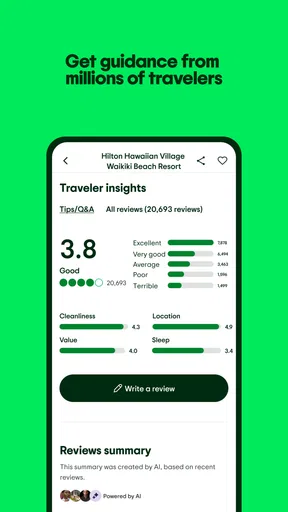
Tripadvisor is a free travel and local app from Tripadvisor, and it has a 4.5 average from around 1.5 million ratings. That kind of reach makes it a familiar place to begin researching a trip, but popularity alone doesn’t tell me whether a particular review applies to my plans. I use reviews as clues: I look for details that match my situation, such as the kind of visit, the practical issue being described, or whether several travelers mention the same drawback.
The app is available to everyone and has reached over 100 million installs. It first appeared in July 2010, and version 68.4 is the current release. Those figures suggest a long-running, widely used service, not a guarantee that every listing or opinion will be equally useful. I’d still check important details directly before making a non-refundable decision, especially when timing, accessibility, or a specific room feature matters.
Where the broad mix works in your favor
First things first, the app is pretty straightforward and user-friendly. It’s like having a pocket-sized travel guru with you at all times. When you open it up, you're greeted with vibrant images and easy navigation tabs that make you want to just pack your bags and go.
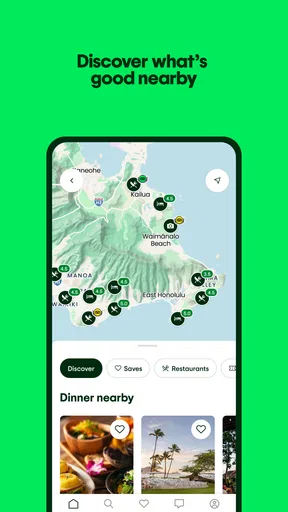
Its breadth is a practical advantage when a trip is still taking shape. I can start with a neighborhood or destination, get a feel for places other visitors talk about, and then narrow my attention to the options that fit the kind of day I want. That is different from opening a hotel-only service or a map and trying to build the whole picture from scratch. Tripadvisor is strongest as a discovery and comparison companion, especially when I have a few possibilities rather than one fixed choice.
Planning Your Next Adventure
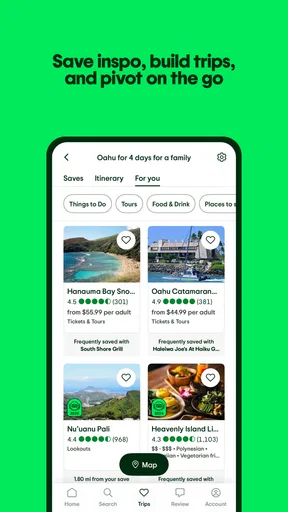
One of the coolest features is the trip planner. You can literally plan your entire vacation right here. Whether it’s a weekend getaway or a month-long expedition, Tripadvisor: Plan & Book Trips lets you customize every detail. You can save your favorite destinations, activities, and even restaurants. It’s like creating a personalized travel scrapbook before you even leave home.
Worth Reading Before You Choose

Flipboard Shows What News Apps Must Do Beyond the Feed

Switching to Android Auto Means Rethinking Your Driving Routine

Google Calendar Makes a Crowded Week Easier to Manage

Ludo King Makes the Most of the Minutes Between Plans

Baby Panda World Brings Quick Play to Modern Phones, but Its Game Library Feels Busy

ESPN’s Live Game View Makes Following Close Games Easier
I find saved ideas most useful when I separate “interesting” from “decided.” A restaurant I’d like to try is not automatically a dinner reservation, and a tour I’ve bookmarked is not necessarily the right fit for the day. Keeping candidates together gives me a working shortlist; checking opening information, travel time, and booking terms before I lock in plans keeps that shortlist realistic. This simple distinction prevents a collection of appealing ideas from becoming an overpacked itinerary.
For a realistic example, imagine I’m arranging a weekend in a city I don’t know well. During a lunch break, I can browse reviews for a few nearby attractions and save the ones that suit my interests. Later, I can compare restaurants around the area rather than picking one only because it has a striking photo. Before the weekend, I’d check the day’s route and confirm any time-sensitive details elsewhere if needed. The app helps me organize the research; I still make the final calls.
Oh, and the recommendations? Spot on! They’re based on millions of reviews from fellow travelers, so you’re getting the inside scoop on the best places to visit. No more sifting through endless blogs or guides. It’s all here.
That said, I wouldn’t read “popular” as “right for me.” Reviews reflect different budgets, expectations, travel styles, and visit dates. A complaint that matters to a family with a stroller may not matter to a solo visitor; a glowing review from someone who values nightlife may be less relevant if I’m seeking a quiet stay. I get better results by reading a handful of specific, recent-sounding accounts and looking for repeated, concrete observations instead of relying on a single enthusiastic or angry post.
Booking Made Easy
When it comes to booking, the app doesn’t disappoint. Whether you’re looking for flights, hotels, or car rentals, it’s got you covered. The interface is smooth and intuitive, making the booking process a breeze. Plus, you can compare prices across different platforms and snag the best deals. Who doesn’t love saving a few bucks for extra souvenirs?
For me, the useful habit is to compare the full terms, not just the first price that catches my eye. Before paying, I’d check what is included, the cancellation conditions, and whether the option actually matches the dates and needs of my trip. A low headline price can be less attractive if its conditions are restrictive. When a booking is important or costly, I also make sure I understand which provider handles the reservation and where I should go for changes or support.
Tripadvisor’s travel scope can be convenient if I’m researching a stay and activities at the same time, but it isn’t always the best final stop for every purchase. A hotel’s own booking channel may be preferable when I need to clarify a specific room request, while a dedicated transport service may suit someone whose only task is finding a route. I treat the app as a useful comparison point, then choose the booking path that gives me the clearest terms for that particular plan.
Community and Reviews
Let’s talk about the community aspect. The app is a treasure trove of user-generated content—photos, reviews, tips—you name it. It’s like having a global travel forum at your fingertips. I found myself scrolling through endless reviews, getting a feel for places I’ve never been, and it felt like being part of a huge travel community.
The trade-off is that a large volume of opinions takes time to interpret. I try not to read endlessly: I decide what matters first, then scan for reviews that answer that question. If I care about noise, for example, I look for descriptions of when it was noisy and where the reviewer stayed, rather than treating a vague one-line rating as decisive. Photos can add context, but I still use written details to understand what a picture does not explain.
When another kind of travel app is a better fit
Compared with a map-first app, Tripadvisor is more useful for learning what other travelers thought of a place; a map-first option is usually the more natural choice when I mainly need directions, nearby stops, or a route while already on the move. Compared with a booking-only service, Tripadvisor gives me more discovery material around the decision, while a specialist may feel more direct when I already know exactly what I want to reserve. These are different jobs, so I wouldn’t expect one app to replace every travel tool.
I’d skip Tripadvisor as my main planning choice if I dislike user reviews, prefer to plan entirely offline, or have a very specific requirement that needs direct confirmation before booking. It can also feel like more browsing than necessary for a simple trip with fixed plans. In those cases, a map, a provider’s own app, or a focused reservation service may be a better match. I’d still consider Tripadvisor for researching alternatives, but I wouldn’t force it into a workflow where its broad discovery layer adds no value.
There is also a small switching cost if you have already organized a trip elsewhere: you may need to recreate your shortlist rather than assume your notes will carry over. I’d avoid maintaining two competing itineraries. Pick one place as the master plan, and use Tripadvisor for the research tasks it handles well—checking traveler perspectives and collecting possible stops—then move only the decisions you actually make into that plan.
Who will get the most from it
I think this app suits travelers who enjoy comparing possibilities, people planning a destination they have not visited before, and groups that need a shared pool of ideas before settling on a plan. It is also handy for spontaneous decisions: if the weather changes or a planned activity falls through, reviews and nearby suggestions can help me find another direction without starting research from zero. The key is to use it as a flexible guide rather than a promise that every suggestion is tailored to me.
For a carefully scheduled trip, I’d use the planner to gather candidates early, then verify the details that can affect the day: opening times, booking conditions, location, and how much time the activity realistically takes. For a relaxed trip, I’d save a few options in each area and leave room to choose later. That second approach is one of the best ways to benefit from a broad collection of ideas without turning every hour of a holiday into an appointment.
If you’re wondering whether it costs anything to try, the app is free. I’d still distinguish that from the cost of travel purchases: a free planning app does not make a hotel, tour, or other booking free, and I’d review the terms for any transaction before confirming. Its content rating is Everyone, so it is presented for a general audience, though individual travelers should still use their judgment when reading public reviews or arranging plans.
What’s the Verdict?
So, after playing around with the app, what’s the final word? In my opinion, Tripadvisor: Plan & Book Trips is a must-have for anyone bitten by the travel bug. It combines planning, booking, and community in one seamless experience. It’s more than just an app; it’s like having a travel buddy who knows all the best spots.
I’d soften “must-have,” though: it’s a strong option, not a requirement for every traveler. Its real advantage is having discovery, traveler opinions, and trip organization close together. Its main limitation is that a large review pool can still leave you doing the work of judging relevance, and a broad travel app won’t always beat a specialist for a single, clearly defined task. That balance is why I’d recommend it as part of a travel toolkit rather than the only tool you ever need.
Whether you’re a meticulous planner or a spontaneous traveler, this app offers something for everyone. It’s packed with features that cater to both the nitty-gritty details and the fun, adventurous side of travel. Plus, with a community of millions backing it up, you’re never short on advice or inspiration.
My recommendation is to start with one real trip rather than browsing without a goal. Save a few places you might actually visit, use reviews to test your assumptions, and compare booking terms before committing. If that workflow makes planning calmer and helps you discover options you would have missed, keep it in your rotation. If you only want directions or a direct reservation, choose the more focused tool for that job.
If you’re ready to embark on your next adventure, why not give it a whirl? Download the app, start planning, and maybe I’ll see you out there on the road, exploring the world, one trip at a time.
Pros
- Easy to navigate interface.
- Comprehensive travel guides.
- User reviews for insights.
- Offline access available.
- Personalized recommendations.
Cons
- Occasional ad interruptions.
- Some features require login.
- Limited booking options.
- Offline maps not always updated.
- Data-heavy
- needs good internet.
FAQs for Tripadvisor: Plan & Book Trips
What features does the Tripadvisor app offer for trip planning?
The Tripadvisor app provides a comprehensive suite of features for planning trips, including browsing millions of user reviews, booking hotels, flights, and activities, and accessing detailed maps and guides. Users can also create customized itineraries and receive personalized recommendations based on their preferences and past activities.
How does Tripadvisor ensure the reliability of its reviews?
Tripadvisor prioritizes authenticity by implementing automated filters and a human moderation team to detect and remove fraudulent reviews. The app encourages users to share detailed, honest feedback and provides tools for businesses to respond, ensuring a balanced and trustworthy review system for travelers.
Is it possible to book directly through the Tripadvisor app?
Yes, the Tripadvisor app allows users to book accommodations, flights, and activities directly through the platform. By partnering with various travel services, it provides a seamless booking experience with competitive pricing and offers special deals to enhance travel planning convenience.
Can I use the Tripadvisor app offline during my travels?
The app offers a feature to download maps and reviews for offline use, which is particularly useful when traveling to areas with limited internet access. This ensures that travelers can access essential information and navigate their destinations without relying on a constant internet connection.
Does Tripadvisor offer personalized travel recommendations?
Tripadvisor uses your browsing history and preferences to provide personalized travel recommendations. By analyzing your past searches, reviews, and bookings, the app suggests destinations, attractions, and restaurants that align with your interests, making trip planning more tailored and efficient.


